Research Interests
Single-Cell DNA Repair Biology
Single-cell RNA-seq analysis of a CRISPRi screen of DNA-repair genes, comparing how cells repair staggered and blunt Cas9-cut DNA ends
Statistical Methods for Omics
Building user-friendly statistical tools for biological data analysis and experimental design
RNA Structure & Function
Computational prediction of RNA triple helices and G-quadruplexes in gene regulation
Publications
Peer-reviewed
Rakheja I.*, Bharti V.*, et al. (2025). Development of an in silico platform (TRIPinRNA) for the identification of novel RNA intramolecular triple helices and their validation using biophysical techniques. Biochemistry (ACS) 64(1):250-265. *Equal contribution. DOI: 10.1021/acs.biochem.4c00334
Sharma S., Bharti V., et al. (2026). MLC1 alteration in human iPSCs give rise to disease-like cellular vacuolation phenotype in the astrocyte lineage. Orphanet Journal of Rare Diseases 21:176. DOI: 10.1186/s13023-026-04316-3
Rakheja I., Bharti V., Singh V., Maiti S. (2026). Quercetin affects carcinogenic phenotype of breast and lung cancer cells differentially through sterol regulation mediated by MALAT1 perturbation. Chemistry - An Asian Journal 21(11):e70821. DOI: 10.1002/asia.70821
Das P.K., Aich M., Adu P., Bharti V., Maiti S., Chakraborty D. (2026). CRISPR-Cas diagnostics (CRISPR-Dx) of viral pathogens in low- and limited-resource areas. TrAC Trends in Analytical Chemistry 195:118590. DOI: 10.1016/j.trac.2025.118590
Rana P., Ujjainiya R., Bharti V., Maiti S., Ekka M.K. (2024). IGF2BP1-mediated regulation of CCN1 expression by specific binding to a G-quadruplex structure in its 3' UTR. Biochemistry (ACS) 63(17):2166-2182. DOI: 10.1021/acs.biochem.4c00172
Preprints and manuscripts
Bharti V., Chakraborty D. (2026). StickForStats: automated statistical assumption validation for reproducible computational biology. bioRxiv. DOI: 10.64898/2026.06.15.732278. First and corresponding author; in peer review at BMC Bioinformatics.
Bharti V., Chakraborty D. (2026). Most biomedical articles print no statistical result checkable by recomputation: a pre-registered audit with a 20,000-article out-of-sample replication. First and corresponding author. Manuscript in preparation.
Rauthan R., Bharti V., et al. An interface of genetically engineered human forebrain assembloids and polymeric nanofiber scaffolds for multiscale profiling of interneuron-migration disorders. Research Square preprint, under revision at Stem Cell Reports. DOI: 10.21203/rs.3.rs-3831019/v1
Kochar M., Rao S., Bhattacharjee S., Goel P., Timsina H., Azhar M.K., Bharti V., et al. Folding on the way in: vectorial substrate recognition by human Hsp60. Submitted to Cell, 2026.
Azam T., Kumar A., Singh P., Bharti V., Maiti S., Ekka M.K. Structural and functional analysis of the Chast-NUCB1 interaction in cardiac hypertrophy. Revised manuscript submitted, Journal of Biological Chemistry (Oct 2026).
Awards
-
2025
Best Poster Award, EMBO Conference 2025
CCMB Hyderabad, for StickForStats. First author and presenter. View the poster (PDF, 2.4 MB)
-
2020
GATE Biotechnology 2020, All-India Rank 127
Top ~1% in India's national postgraduate entrance examination.
-
2020–22
Graduate Assistantship
Ministry of Education, Government of India, 2020 to 2022.
Projects
StickForStats
An open-source web platform whose Guardian system runs the relevant subset of its eight assumption validators (normality, variance homogeneity, independence, outliers, sample size, modality, linearity, homoscedasticity) before a test executes, and reroutes to an appropriate nonparametric alternative when a critical assumption fails. A companion module re-checks the statistical claims in manuscripts. Validated against SciPy and R. Best Poster Award, EMBO Conference 2025.
Status: Live (public beta). Preprint on bioRxiv (2026); in peer review at BMC Bioinformatics. First and corresponding author.
Python Django React Statistics
Checkability Audit
A pre-registered audit of whether published biomedical statistics can be recomputed at all. With the protocol frozen before any data were fetched, 3,000 randomly sampled PubMed Central Open Access research articles (2020–2025) were checked for results whose p-value can be recomputed from the printed test statistic and degrees of freedom, and every frozen estimate was re-estimated out of sample on a further 20,000 articles. The measurement pipeline is deterministic, with no machine learning in it, so every number reproduces from committed code.
Status: Manuscript in preparation. First and corresponding author.
Python Meta-research Reproducibility PubMed Central
TRIPinRNA
Python platform that searches the human transcriptome for intramolecular RNA triple helices. Published in Biochemistry (2025), co-first author contribution. Its predictions include triplex-forming sequences in lncRNAs involved in X-chromosome inactivation, three of them validated in vitro.
Python RNA Biology Bioinformatics
DNA Repair Analysis
Analysed single-cell RNA-seq data for a colleague's PhD study of how CRISPRi cells repair staggered (en1FnCas9) versus blunt (SpCas9) DNA ends: Seurat QC, integration and differential expression, gene-set comparisons and GO enrichment, with the heat map and volcano plots credited in her thesis.
R (Seurat) Python scRNA-seq Genomics
G-Quadruplexes in CCN1
Computational and proteomics analysis for a study of how IGF2BP1 regulates CCN1 expression by binding a G-quadruplex structure in its 3' UTR (Biochemistry, 2024).
Python Proteomics RNA Biology
Forebrain Assembloids
Computational and statistical analysis for a study of interneuron migration in ERBB4-knockout human forebrain assembloids: RNA-seq with GO and pathway enrichment, a protein-interaction network, the pathway analysis of the sorted interneurons’ proteomics and, in the submitted manuscript, a pan-tissue correlation of the control assembloids.
RNA-seq Network Analysis Neuroscience
Confidence Intervals Explorer
Interactive educational tool for understanding statistical confidence intervals through visualizations and simulations, built during the early Streamlit prototype of StickForStats. Deployed on Streamlit Cloud with real-time parameter adjustment; it sleeps when idle, so the first load can take a minute.
Python Streamlit Plotly Statistics
RNA Lab Navigator
Retrieval-augmented research assistant for internal lab documents and the primary literature: keyword (BM25) retrieval over a Weaviate index, with an LLM answering from the top passages; the source documents are listed under each answer. Deployed for the lab on the institute network in July 2025.
Django React Weaviate Docker RAG
About Me
Electronics-engineer-turned-bioinformatician, currently working as a Project Associate-II at CSIR-IGIB under Dr. Debojyoti Chakraborty. My work spans single-cell genomics (including the single-cell RNA-seq data of a pooled CRISPRi DNA-repair screen), RNA structure analysis, and open-source statistical software.
I hold an MTech in Biotechnology from IIT Guwahati and a BTech in Electronics and Communication from IEM Kolkata. GATE Biotechnology AIR 127 (2020). My research focuses on developing computational methods for analyzing complex biological data.
Research Focus
Computational Biology & Single-cell: I build analysis pipelines for single-cell data; for example, I re-analysed scRNA-seq data from a colleague's CRISPRi DNA-repair experiment, comparing cells that did or did not accurately repair reporter DNA pre-cut with staggered (en1FnCas9) or blunt (SpCas9) ends.
Methods & Statistics: I build open-source statistical software that checks the assumptions behind a test before running it (StickForStats, validated against SciPy and R).
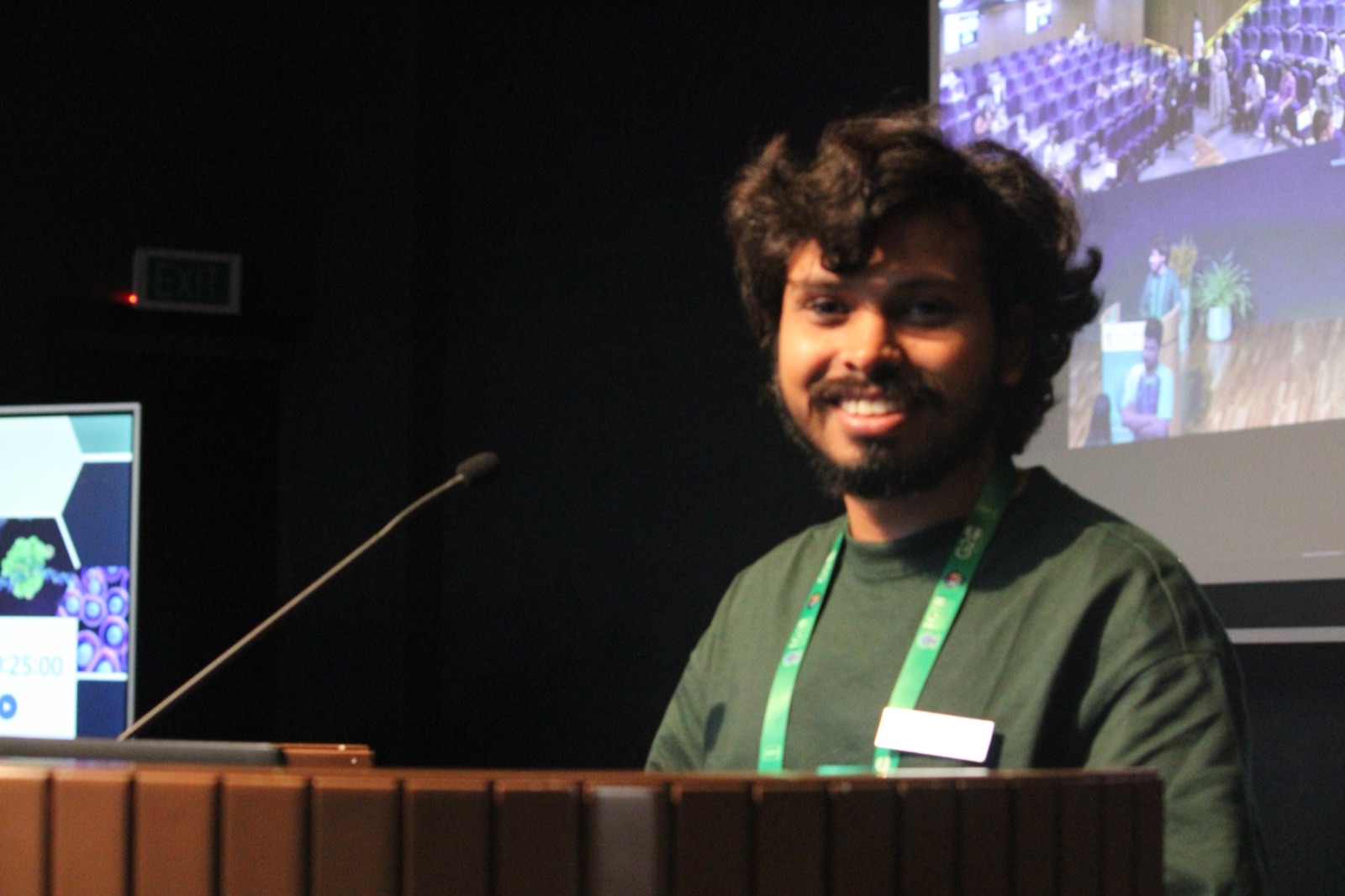
From circuits to cells
I skipped biology at school, and until my third year of electronics engineering, protein to me was a powder sold in tins. Then, in 2017, I read about Levinthal’s paradox: a protein chain has so many possible shapes that trying each would take longer than the age of the universe, yet it folds in a fraction of a second, with no controller telling it how.
I taught myself biology from there, starting with the Protein Data Bank, BLAST and Ensembl, and built a final-year project that took a sequence and returned its annotated structure. After graduating I studied full time, and GATE Biotechnology (AIR 127) brought me to an M.Tech at IIT Guwahati. The same puzzle sits under the question I want to answer next: how a cell, with nothing in charge, decides whether to repair a DNA break or die.
Path
-
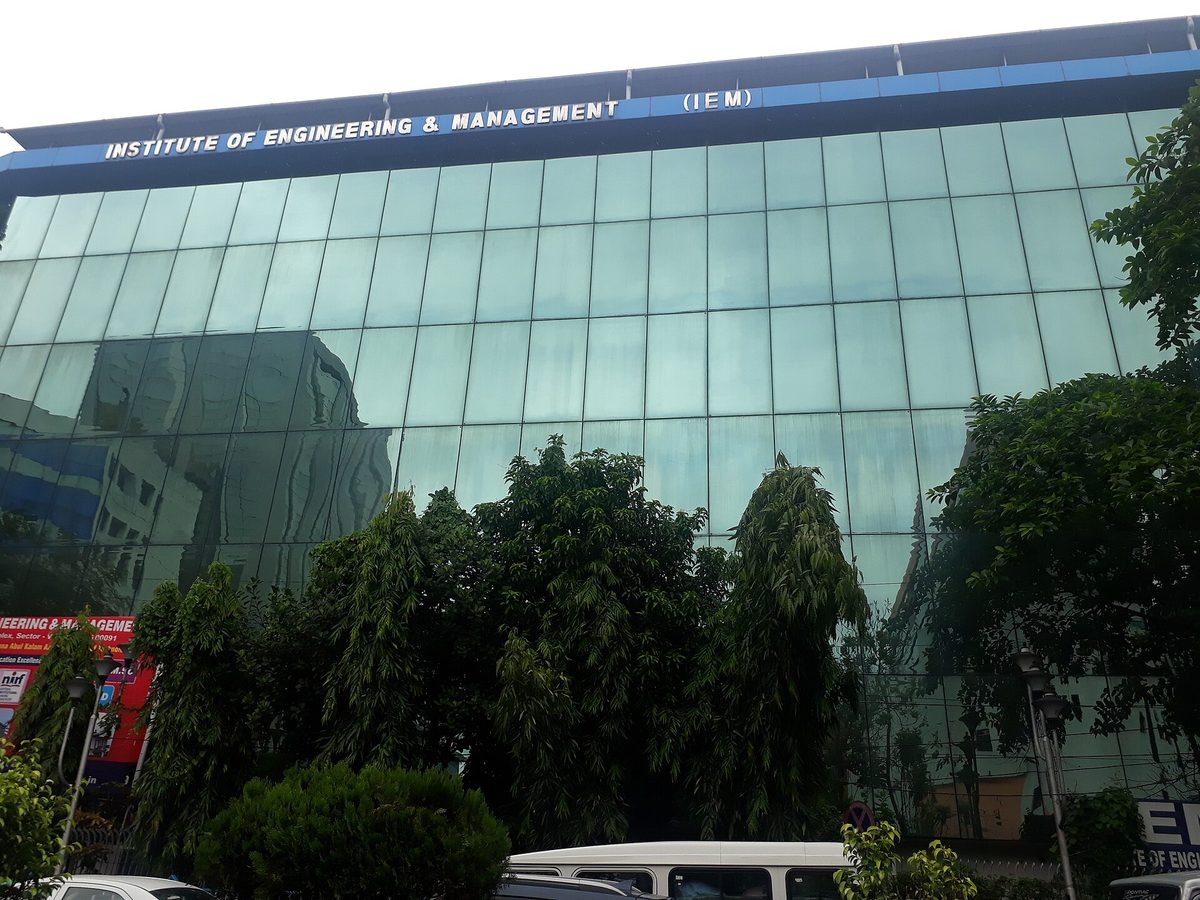 2014–2018
B.Tech, Electronics & Communication Engineering
Institute of Engineering & Management, Kolkata
Photo: Pinakpani, Wikimedia Commons, CC BY-SA 4.0; cropped and rendered as characters -
 Mid-2018–2020
Self-taught transition into biology
Taught myself molecular biology, biochemistry and genetics full time after my B.Tech. Entered the field through GATE Biotechnology, All-India Rank 127.
Illustration made for this site; rendered as characters -
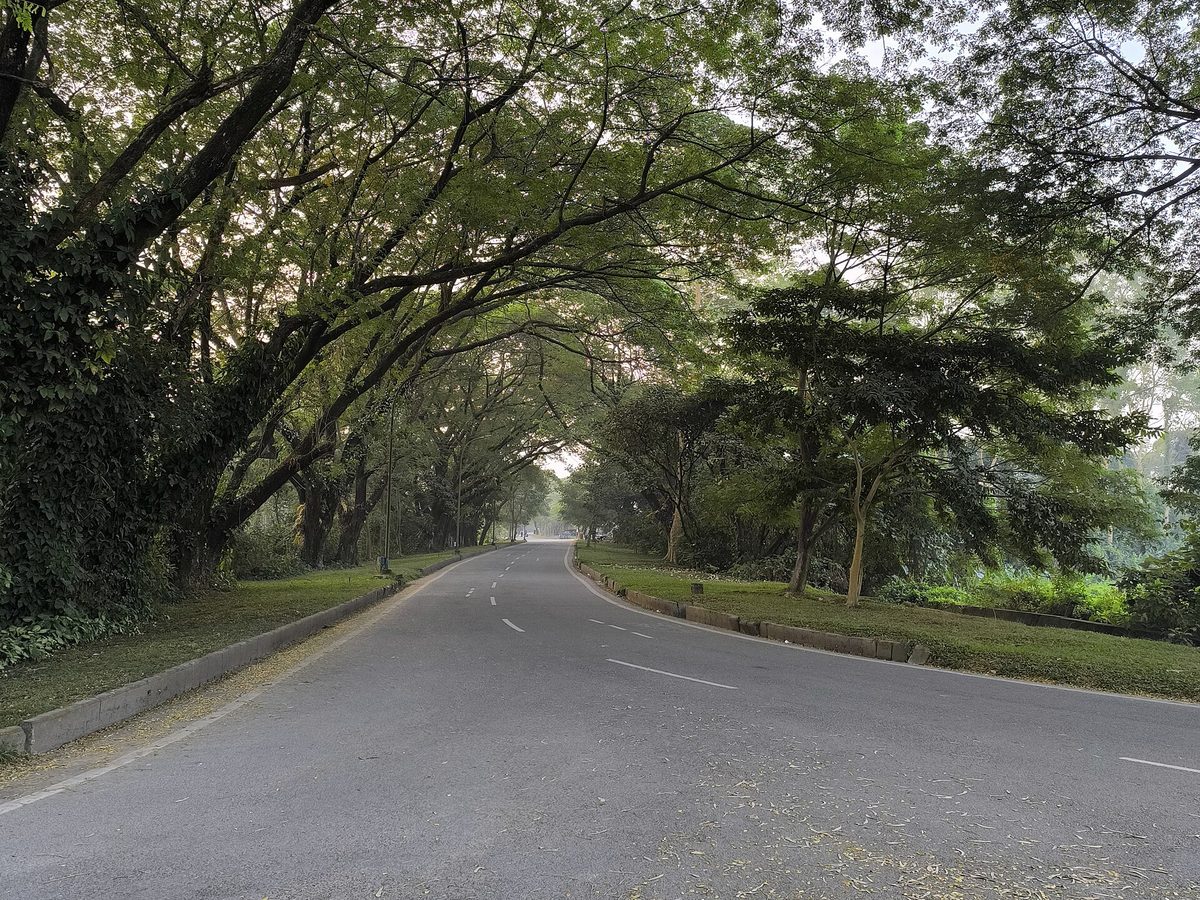 2020–2022
M.Tech, Biotechnology
Indian Institute of Technology Guwahati
Photo: Nilotpal Hazarika123, Wikimedia Commons, CC BY-SA 4.0; cropped and rendered as characters -
 2023–
2023–RNA Biology Group (Dr. Debojyoti Chakraborty)
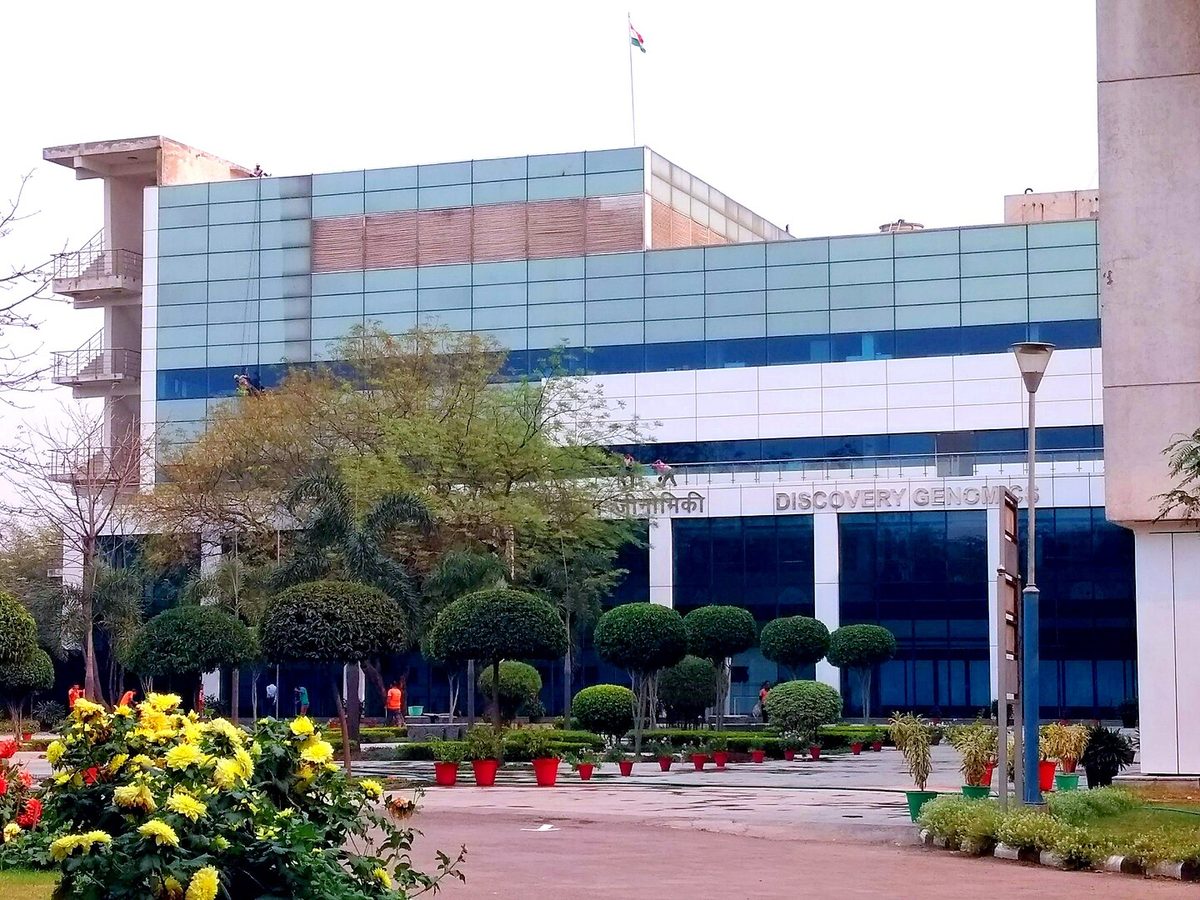
CSIR-Institute of Genomics and Integrative Biology, New Delhi
Photo: Singhprtk, Wikimedia Commons, CC BY-SA 4.0; cropped and rendered as characters
Technical Proficiencies
Programming & Software
Bioinformatics & Genomics
Machine Learning & AI
Computational Resources
Future Research Interests
The repair-or-die decision
SpCas9 leaves predominantly blunt DNA ends; en1FnCas9, an engineered FnCas9 variant, leaves a staggered 5′ overhang of two to three bases, and the lab has reported higher rates of homology-directed repair with FnCas9 and en1FnCas9. I want to understand the decision one level above pathway choice: whether a cell repairs at all, or dies, and whether the structure of a break and the manner of its delivery propagate upward into that commitment. The single-cell CRISPRi data I analysed for a colleague cannot answer this: the break there was on a reporter plasmid cut before transfection, quality control removed cells with high mitochondrial read fractions (the usual sign of dying cells), and no cell-death analysis was run.
The second half of the question is whether that decision is made cell by cell or coordinated across neighbours. Dissociation destroys the information needed to answer it, so this requires reading perturbation and outcome in the same tissue section rather than building a better model of dissociated data.
Adjacent interests
Systems Biology & Network Medicine
Understanding disease mechanisms through network analysis of multi-omics data, developing computational models of cellular systems, and identifying biomarkers through integrative analysis of genomic, transcriptomic, and proteomic data.
RNA Biology & Therapeutics
Continuing my work on RNA structural elements (G-quadruplexes, triple helices) and their regulatory roles, developing computational tools for RNA drug design, and exploring RNA-based therapeutic interventions for genetic disorders.
Let's Collaborate
I'm open to research collaborations, consulting opportunities, and discussions about bioinformatics, statistical tools, and computational biology.
© 2026 Vishal Bharti. All rights reserved.